Hillcrest Cemetery
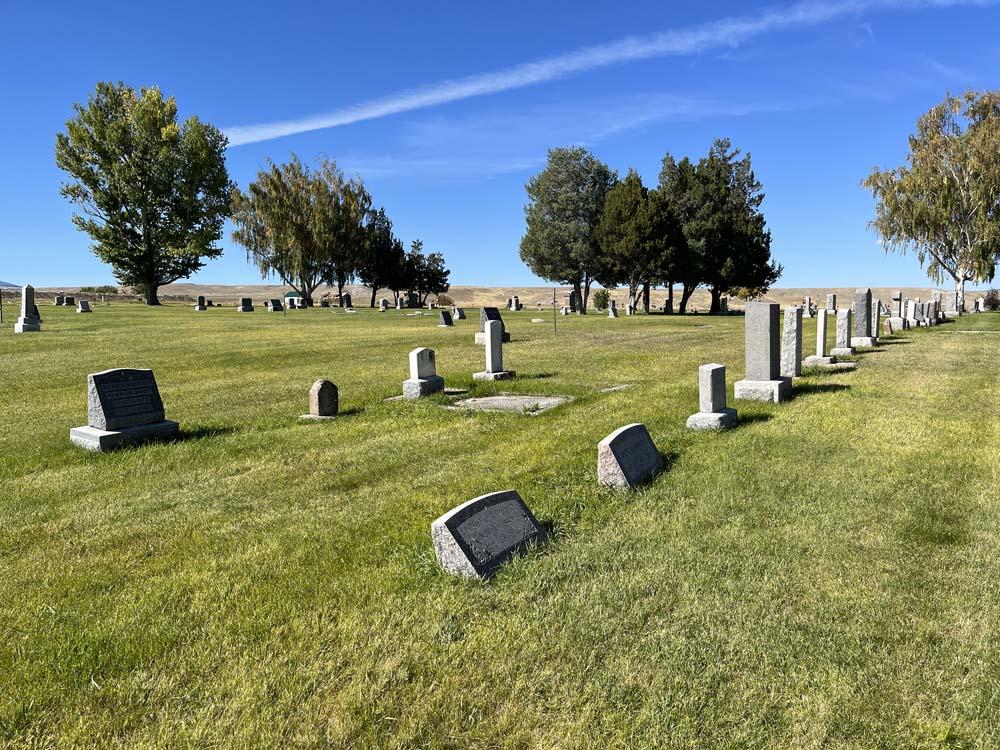
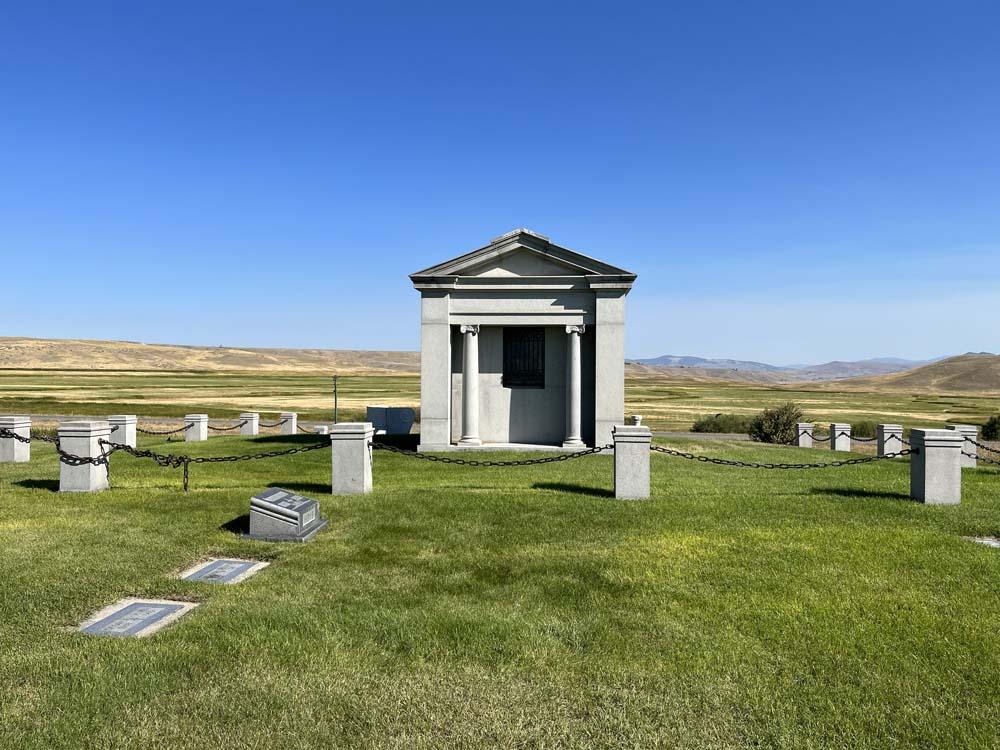
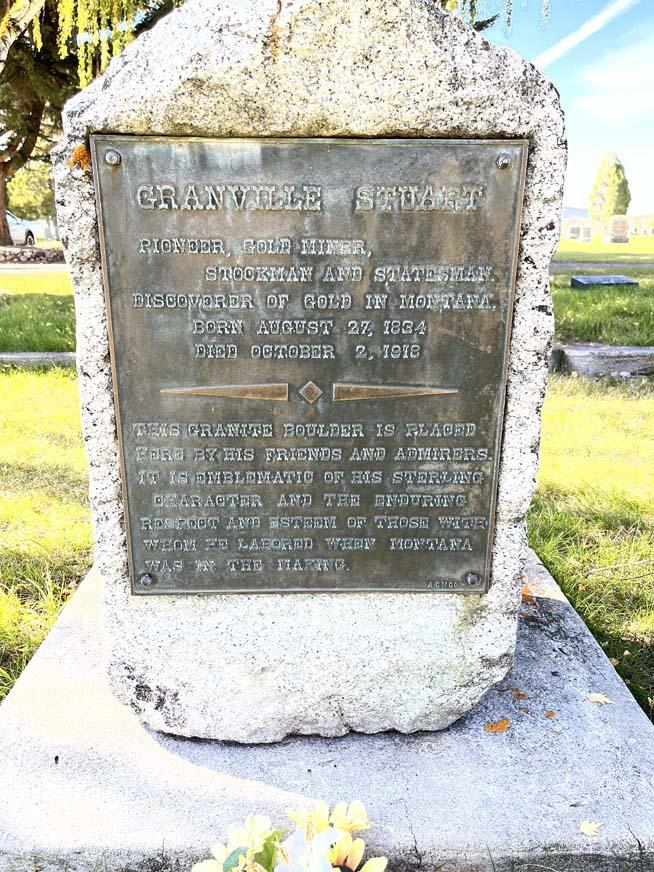
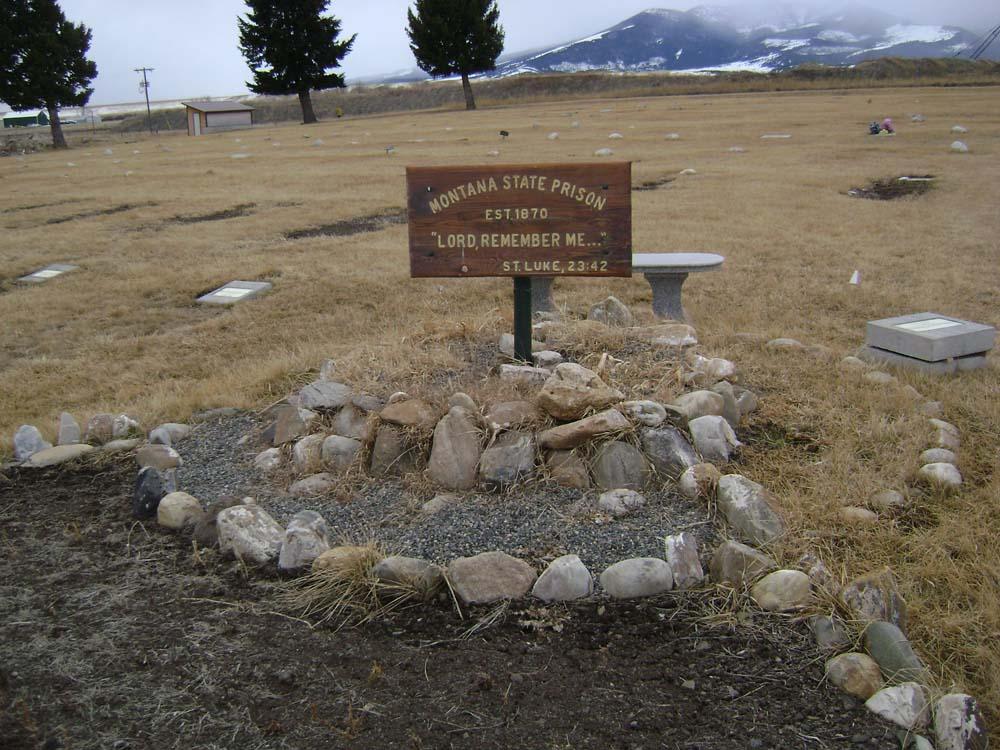
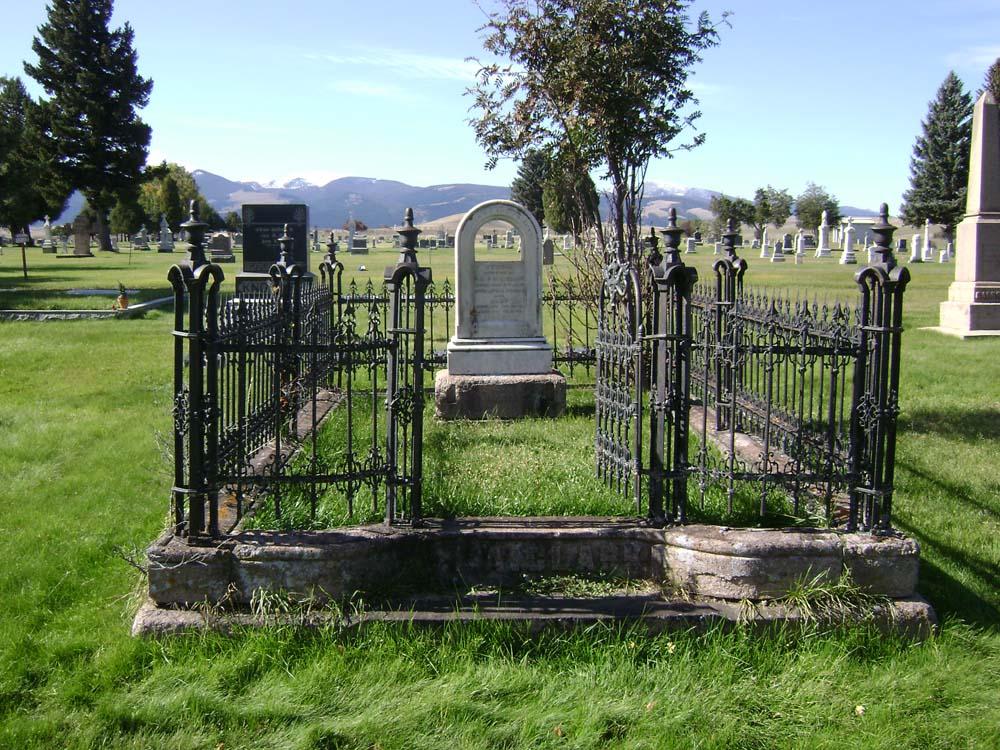
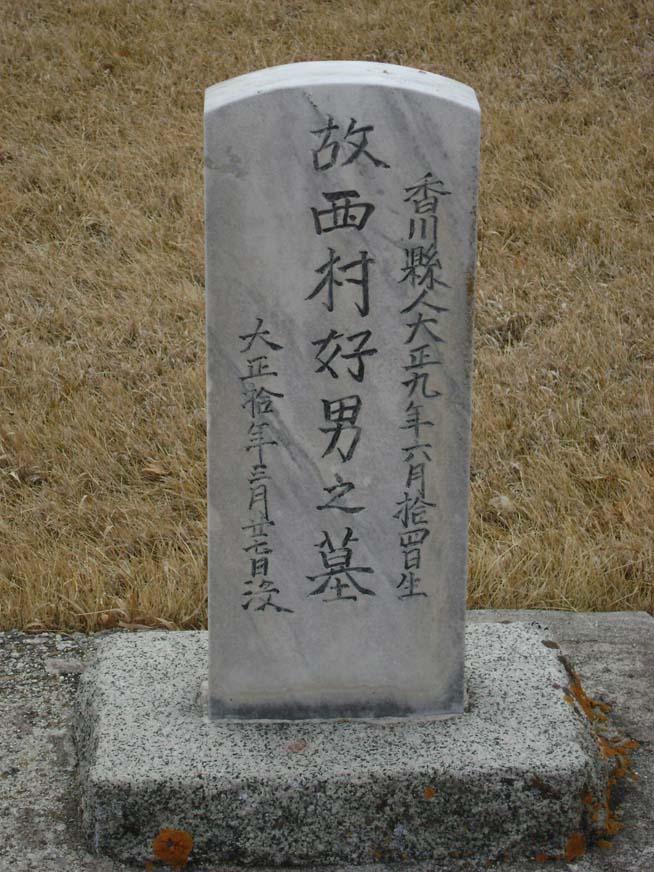
Hillcrest Cemetery—one of Montana’s oldest existing active cemeteries—preserves the area’s history and the legacies of the families buried here. Graves dating from 1870 to the present mark the final resting place of more than 4,600 Deer Lodge area citizens. Residents created Hillcrest Cemetery when encroaching development impacted the city’s first urban burial grounds. By 1871, burials were well underway when landowner and mining investor Edwin H. Irvine officially donated ten acres on this hillside. The original cemetery plan featured four quadrants divided by an east-west and north-south wagon road. City officials laid out sections for Protestants, Catholics, Masons, and other fraternal organizations. In the 1880s, the city added sections for soldiers and prisoners, and in the early 1900s, Japanese railroad workers. Most of the earliest markers were wood though some were imported marble. In the mid-1880s, talented tombstone makers such as A. K. Prescott and George Pringle began creating skillfully carved and personalized monuments. Zinc markers, flat upright gravestones, tall obelisks, and flat stone markers were typical of the 1890s and early 1900s. Prominent grave markers recall wealthy ranchers and businessmen such as Thomas, James, and Granville Stuart; Conrad, Augusta, and William Kohrs; and the Bielenberg family. The ornate wrought-iron enclosure and distinctive marble gravestone marking copper king William A. Clark’s two children reflects the area’s late-nineteenth-century mining wealth. John G. Morony’s architect-designed Greek Revival style mausoleum recalls Montana’s early-twentieth-century prosperity. In contrast, twenty-four tombstones of Japanese residents and many unmarked and austere gravestones in the prison section bear quiet witness to the lives of these marginalized populations.
Images